
10 Foods That Keep Your Brain Sharp After 60

Cognitive changes are a natural part of aging, but the right foods can help support memory, focus, and mental clarity. Nutrition plays a direct role in supplying the brain with fuel, protecting cells from damage, and maintaining healthy blood flow.
This guide highlights ten foods backed by research for their brain-supporting benefits. Each one is simple to add to your diet and can be enjoyed in a variety of ways without making drastic changes to your lifestyle.
1. Blueberries

Blueberries are rich in antioxidants, particularly anthocyanins, which help protect brain cells from oxidative stress. Studies suggest they can improve communication between brain cells and enhance memory performance.
They can be eaten fresh, frozen, or blended into smoothies. Adding a small handful to breakfast a few times a week is an easy way to benefit from their brain-friendly compounds.
2. Salmon

Salmon is a strong source of omega-3 fatty acids, which are essential for healthy brain function. Omega-3s help build cell membranes in the brain and reduce inflammation that can harm cognitive health.
Aim for two servings per week, either grilled, baked, or added to salads. Canned salmon can be a budget-friendly option and still delivers the same beneficial fats.
3. Walnuts

Walnuts contain alpha-linolenic acid (ALA), a plant-based omega-3 that supports brain structure and function. They are also packed with antioxidants that may help slow age-related decline.
A small handful of raw or lightly toasted walnuts makes a satisfying snack. They can also be chopped and sprinkled over yogurt, oatmeal, or vegetable dishes.
4. Leafy Greens

Spinach, kale, and collard greens are full of vitamin K, lutein, and folate, all linked to better brain health. Research has shown that regular consumption of leafy greens can help preserve memory and thinking skills.
Adding them to soups, stir-fries, or omelets makes it easy to increase your intake. Even a side salad a few times a week can contribute to long-term benefits.
5. Eggs

Eggs provide choline, a nutrient important for producing acetylcholine, a neurotransmitter involved in memory and learning. They also offer high-quality protein to keep you energized throughout the day.
Enjoy them boiled, scrambled, or poached for breakfast or lunch. For added variety, mix them with vegetables for a balanced meal.
6. Dark Chocolate

Dark chocolate with at least 70% cocoa contains flavonoids that may improve blood flow to the brain. These compounds are linked to better attention, processing speed, and memory.
Limit portions to a small square or two per day to enjoy the benefits without excess sugar. Pairing it with nuts or berries can create a satisfying and healthy treat.
7. Pumpkin Seeds

Pumpkin seeds are high in magnesium, iron, zinc, and copper; minerals vital for brain health. Magnesium supports nerve signaling, while zinc plays a role in memory and learning.
Snack on them raw, roasted, or added to salads and yogurt. They store well and can be kept on hand for quick nutrition.
8. Avocados

Avocados provide healthy monounsaturated fats that support blood flow, which is essential for delivering oxygen and nutrients to the brain. They also contain lutein, which is linked to cognitive function.
Add avocado slices to toast, blend into smoothies, or use as a topping for grain bowls. A half avocado a few times a week is a simple way to boost brain-friendly fats.
9. Green Tea

Green tea is rich in polyphenols and contains a moderate amount of caffeine for gentle alertness. It also has L-theanine, an amino acid that can promote calm focus.
Enjoy a cup in the morning or early afternoon to avoid interfering with sleep. Loose leaf or high-quality tea bags provide the most benefit.
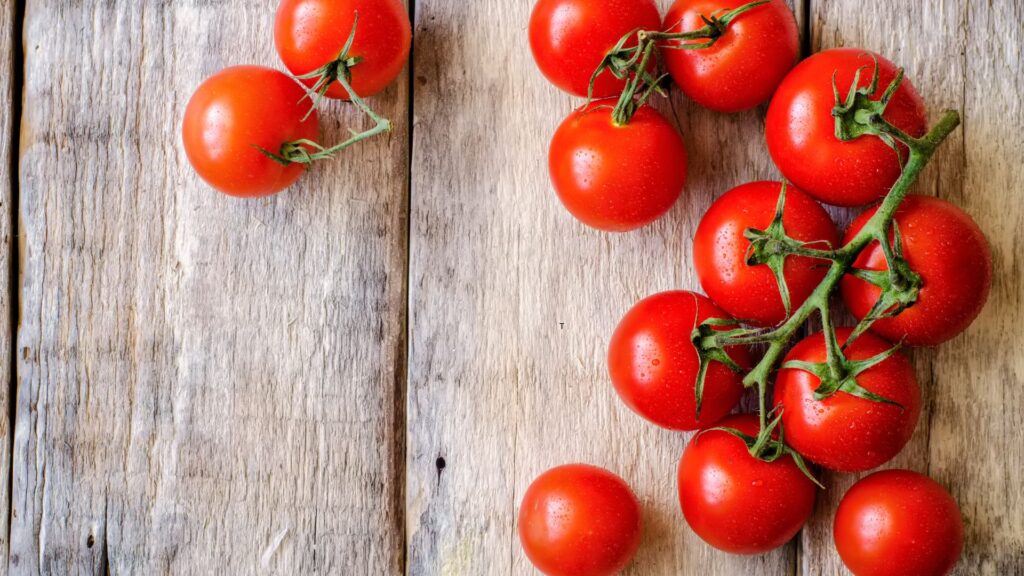
10. Tomatoes
Tomatoes are a source of lycopene, an antioxidant that may help protect brain cells from free radical damage. Cooking tomatoes increases lycopene levels, making sauces and soups excellent choices.
Adding fresh tomatoes to salads or using tomato-based sauces in meals a few times a week can support long-term brain health.
Conclusion
Keeping your brain sharp after 60 is not just about mental exercises; it’s also about what you put on your plate. These ten foods provide nutrients that protect, energize, and support the brain’s natural processes.
Small dietary adjustments can make a lasting difference. By adding these foods into your meals regularly, you can help maintain clarity and focus for years to come.