
Mustard for Cramps: Does It Work?

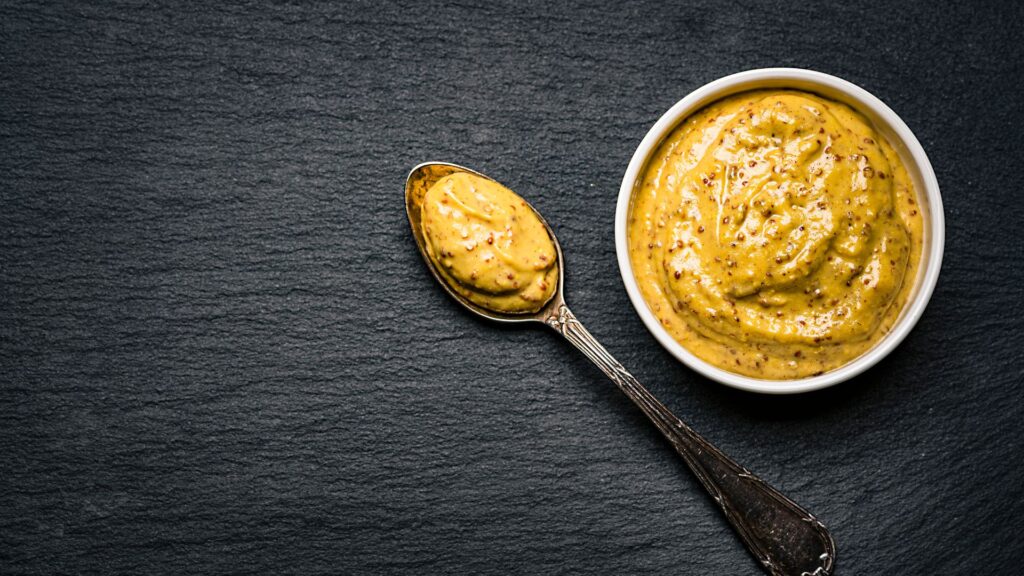
Mustard, the yellow condiment often found on hot dogs and sandwiches, has been talked about as a quick fix for muscle cramps. Some athletes and home remedy enthusiasts swear by it, claiming a spoonful can stop cramps within minutes.
But is there any reason behind this belief, or is it just another folk remedy? This article takes a closer look at the claims, the science, and whether mustard really holds the power to ease muscle cramps.
What’s in Mustard That Might Help?
Mustard is a mix of mustard seeds, vinegar, water, and spices. While its sharp taste comes from compounds called isothiocyanates, the ingredient that gets attention for cramp relief is acetic acid.
- Acetic acid, found in vinegar, may trigger the production of acetylcholine, a neurotransmitter that helps muscles function properly.
- Some believe the tangy flavor affects nerve receptors in the mouth, sending signals that relax cramping muscles.
- Mustard also contains sodium and potassium, two minerals linked to muscle function.
The Nerve Stimulation Theory
One idea behind mustard’s effect on cramps involves the nervous system. Some researchers suggest that its strong taste activates sensory receptors in the mouth and throat.
This triggers a reflex that interrupts misfiring nerves responsible for muscle cramps.
How This Might Work
- A sharp or bitter taste can distract the nervous system from cramping muscles.
- This could be why other spicy or acidic foods, like pickle juice, are sometimes used for the same purpose.
- The response might not be about mustard itself but about how the brain processes sudden, intense flavors.
While this explanation is interesting, studies on the topic are limited.
How to Use Mustard for Cramp Relief
If you want to try mustard as a quick fix, follow these simple steps:
- Take one teaspoon of yellow mustard when a cramp starts.
- Swallow it directly without mixing it with other foods.
- Wait a few minutes to see if relief follows.
Many people keep mustard packets in their gym bag or nightstand for convenience. While this method is safe for most, those with dietary restrictions should check labels for added sugars or preservatives.
Are There Any Side Effects?
For most individuals, consuming small amounts of mustard is safe. However, some may experience mild issues, including:
- Digestive discomfort – The acidity and spices in mustard can irritate sensitive stomachs.
- Sodium concerns – Those watching their salt intake should use it in moderation.
- Allergic reactions – Rare but possible, especially in individuals allergic to mustard seeds.
If cramps persist frequently, consulting a healthcare provider is always a good idea to rule out underlying conditions.
Other Remedies for Muscle Cramps
If mustard does not relieve your muscle cramps, there are several other options to try:
- Hydration: Drinking enough water can prevent cramps caused by dehydration.
- Electrolytes: Eating foods rich in magnesium, potassium, and sodium can help balance muscle function.
- Stretching: Gentle stretching and massage can relieve tight muscles.
- Heat Therapy: Applying a warm compress can relax cramping muscles.
Conclusion
Mustard is an interesting option for quick cramp relief, likely working through nerve stimulation rather than muscle relaxation. Its effectiveness varies from person to person, but many find it useful in stopping sudden cramps.
While it won’t replace proper hydration or nutrition, it serves as a convenient and inexpensive remedy. Keeping a small packet of mustard nearby might just come in handy the next time a cramp strikes.